

Skin pigmentation can be a common concern for many individuals, causing dark spots or patches on the face and body. While genetics and hereditary factors can play a role, the primary culprit for pigmentation issues is often sunlight exposure. In this comprehensive guide, we will delve into the causes of pigmentation, explore beauty habits that can exacerbate it, discuss its permanence, and provide effective preventive measures and treatments to help you achieve an even skin tone.
Causes of Pigmentation:
Skin pigmentation can be triggered by various factors. Genetics and hereditary predisposition can make certain individuals more prone to developing pigmentation after any form of skin damage. Sunlight, particularly for individuals with darker skin tones, is a major catalyst for pigmentation. Hormonal changes, inadequate sun protection, allergic reactions, weight gain, certain medications, and skin disorders like acne and eczema can also contribute to pigmentation-related issues.
Beauty Habits that Cause Pigmentation:
Certain beauty habits can aggravate pigmentation problems. Failing to apply sufficient sunscreen before sun exposure is a common mistake that can lead to worsening pigmentation over time. Neglecting sunscreen during the teenage years or early 20s may result in pigmentation becoming more apparent later in life. Hair removal practices such as frequent waxing, bleaching, and threading, especially for individuals with thick hair, can cause visible patches in those areas. Improper use of chemical peels, facial laser treatments, and self-treatment with medicated creams containing steroids can also contribute to acquired pigmentation.
Permanence and Treatment of Pigmentation:
The permanence of pigmentation depends on its depth and severity. When the pigmentation affects the deeper layers of the skin, it tends to persist for a longer duration and may not completely fade away. Superficial pigmentation can be reduced with proper care and treatments. To effectively address pigmentation concerns, it is advisable to consult a certified dermatologist who can identify the type and because of your skin pigmentation. Minor causes, such as acne marks or skin disorders, can often be treated swiftly with basic medications.
Preventive Measures for Pigmentation:
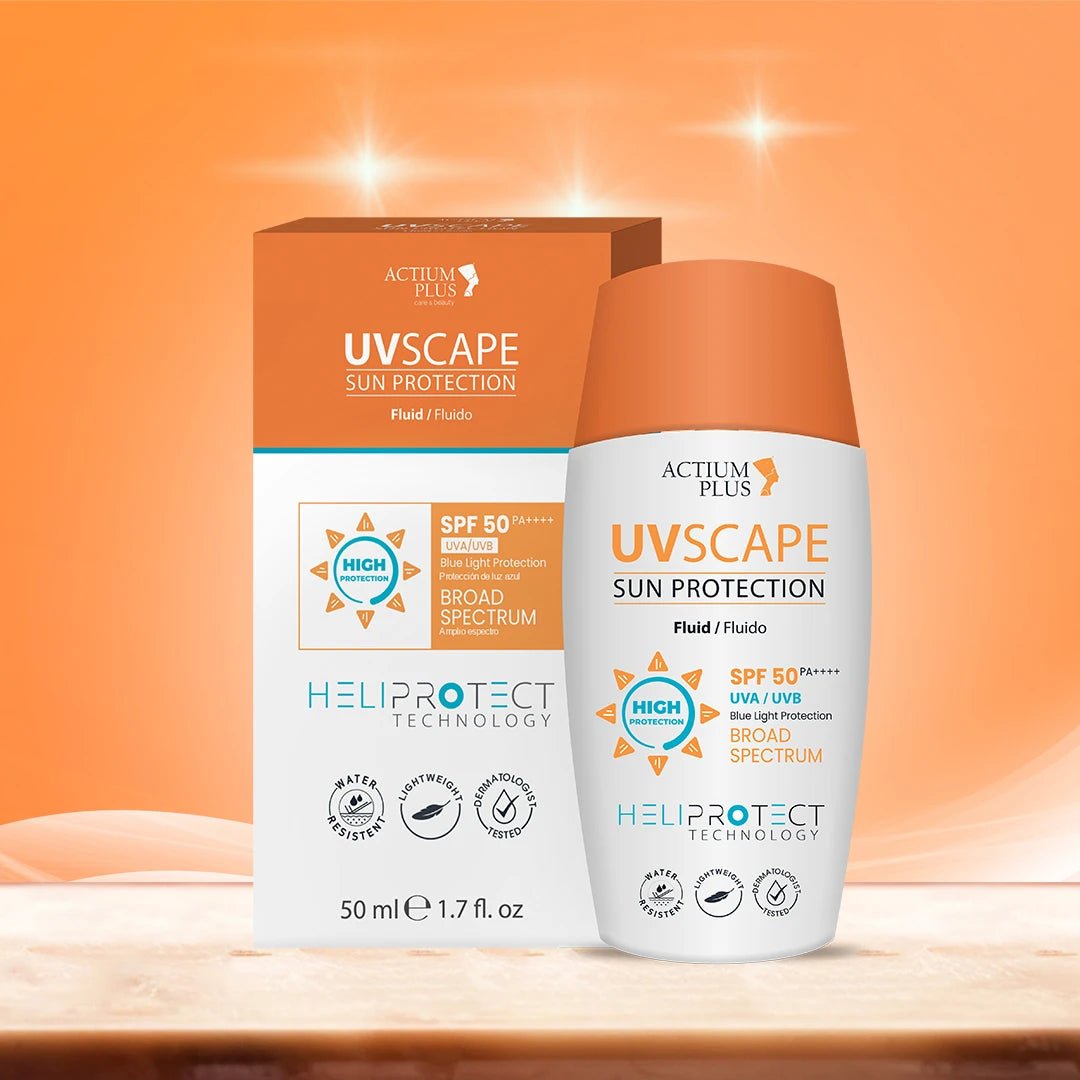
Preventing pigmentation is crucial to maintain an even skin tone. Incorporating certain practices into your beauty routine can help minimize pigmentation issues. Always use broad-spectrum sunscreen with SPF30 or higher before stepping out into the sun. In the morning, apply a Vitamin C serum, known for its antioxidant properties, to reduce existing pigmentation. Make sure to thoroughly remove sunscreen and makeup before bed, followed by the application of a mild cream containing lightening agents like kojic acid, arbutin, or retinoid. Oral sunscreens, which contain natural extracts, can also aid in preventing and reducing darkening triggered by sunlight.
Effective Treatments for Pigmentation:
When seeking quick solutions for pigmentation, it is crucial to consult a dermatologist for professional guidance. Depending on the type and severity of pigmentation, various treatments may be recommended. These can include topical creams, chemical peels, microdermabrasion, laser therapy, or intense pulsed light (IPL) treatments. Your dermatologist will tailor the treatment plan to address your specific concerns and achieve the best possible results.
Achieving an even skin tone and minimizing pigmentation requires a multifaceted approach. By understanding the causes and avoiding contributing factors such as excessive sun exposure and improper beauty practices, you can significantly reduce the risk of pigmentation. Additionally, seeking professional guidance from a certified dermatologist and following their recommended treatments can provide effective solutions to treat existing pigmentation concerns. With consistency and proper care, you can enjoy a radiant, blemish-free complexion.
Tackling Pigmentation with Actium Plus Depigmentation Range:
Pigmentation issues can be a cause of concern for many individuals, affecting their self-confidence and overall appearance. Fortunately, the Actium Plus Depigmentation Range offers a comprehensive solution to address pigmentation problems. With their topical treatments, these products target the four stages of pigmentation, providing a triple depigmenting action. In this blog, we will delve into the topic of pigmentation and explore how the Actium Plus Depimax Range can help restore a brighter and more even skin tone. Pigmentation refers to the coloration of the skin, which is determined by the production and distribution of a pigment called melanin. Melanin is synthesized by melanocytes, specialized cells located in the epidermis. While melanin plays a crucial role in protecting the skin from harmful UV radiation, an imbalance in its production can lead to various pigmentation concerns.
Actium Depigmenting Serum: Targeting the Four Stages of Pigmentation
The Actium Depigmenting Serum makes its mark as it has potent depigmenting action on all four stages of pigmentation namely induction, synthesis, transfer, and installation. It achieves this through its Triple Depigmenting Action. The Actium Depigmenting Serum is a powerful serum that acts on multiple levels to combat pigmentation. Its powerful key ingredients help reduce melanin production effectively and prevent its dispersion, resulting in a more even skin tone. Additionally, the serum includes Glutathione, an antioxidant that promotes the production of pheomelanin by inhibiting the tyrosinase enzyme. This contributes to the brightening effect of the serum. Moreover, the serum utilizes White Mulberry extract, another antioxidant, which further enhances the whitening effect and provides additional skin benefits.
Actium Depigmenting Gel: An Intensive Brightening Treatment, the Actium Depigmenting Gel is an intensive brightening treatment formulated with Nano Encapsulation Technology (NET). This advanced technology ensures the efficient delivery of active ingredients to the skin, maximizing their effectiveness. The gel targets the four stages of pigmentation and works to reduce melanin production, prevent its dispersion, and slow down the recurrence of dark spots. With its key ingredients such as Azelaic acid, Glutathione, and White Mulberry extract, the gel provides a potent depigmenting action. Azelaic acid acts as an anti-tyrosinase agent and suppresses hyperactive melanocytes, while Glutathione acts as an antioxidant and promotes the production of pheomelanin. Together, these ingredients help achieve a brighter and more even complexion.
The gel effectively reduces melanin production, preventing the formation of dark spots and uneven pigmentation.
By inhibiting the dispersion of melanin, the gel helps to maintain an even skin tone and minimize the appearance of pigmentation irregularities. The Actium Depigmenting Gel works to slow down the reappearance of dark spots, promoting a long-lasting brightening effect. Boosting Skin Health and Pigmentation Control Vitamins A, C, and E play a vital role in the first stage of pigmentation. They effectively combat oxidative stress induced by UV exposure and stimulate the renewal of keratinocytes. By addressing these factors, these vitamins contribute to a more even skin tone and help prevent further pigmentation concerns.
Actium Plus Depimax Cream: A Soothing and Brightening Formula
The Actium Plus Depimax Cream complements the depigmentation range by providing a soothing and enriching formula. It contains five bio-complexes that replenish, lighten, and brighten the skin tone. By incorporating this cream into your skincare routine, you can experience a soothing and nourishing effect that enhances your overall complexion.
Let us understand how the key ingredients work on pigmentation:
Azelaic Acid: With its anti-tyrosinase activity, azelaic acid inhibits the enzyme responsible for melanin synthesis. Suppressing hyperactive melanocytes and inhibiting DNA synthesis, it helps to regulate melanin production.
Glutathione: Acting as an antioxidant, glutathione not only promotes the production of pheomelanin but also inhibits the tyrosinase enzyme, which is involved in melanin synthesis. This helps to prevent excessive melanin formation and encourages a more even skin tone.
White Mulberry Extract: Known for its antioxidant properties, white mulberry extract contributes to the depigmenting effect. It aids in reducing oxidative stress and provides a whitening effect, helping to lighten the skin tone.
Conclusion:
Actium plus Depimax range provides a comprehensive solution for pigmentation problems. The Actium Depigmenting Serum, Actium Depigmenting Gel, and Actium plus Depimax Cream work synergistically to target the different stages of pigmentation, reduce melanin production, prevent dispersion, and improve overall skin tone. With their potent ingredients, innovative technologies, and soothing formulations, these products offer effective and reliable solutions for those seeking to achieve a brighter, more even complexion. By incorporating the Actium plus Depimax range into their skincare routine, individuals can confidently address their pigmentation concerns and enjoy a revitalized and radiant appearance.