


As we celebrate National Skincare Awareness Month in September, it’s vital to shed light on a concern that affects countless individuals: pigmentation issues. Our skin is a canvas and each tells a unique story, and pigmentation irregularities are a common part of that narrative. From age spots to melasma, these concerns can impact our self-esteem and confidence. However, armed with knowledge and the right skincare approach, we can address pigmentation effectively and embrace the radiance within us.
Understanding Pigmentation:
Pigmentation refers to the discoloration of the skin, caused by melanin—a natural pigment produced by melanocytes. While melanin provides protection against the harmful effects of UV radiation, its irregular distribution can lead to issues such as hyperpigmentation and hypopigmentation. Hyperpigmentation results in dark patches or spots, while hypopigmentation leads to lighter areas on the skin.
Common Pigmentation Concerns:
Sunspots: Prolonged sun exposure triggers the overproduction of melanin, leading to the formation of sunspots or age spots. These flat, brown spots often appear on areas frequently exposed to the sun, such as the face, hands, and shoulders.
Melasma: Often referred to as the “mask of pregnancy,” melasma causes grey-brown patches on the face. Hormonal changes, sun exposure, and genetics play a role in its development.
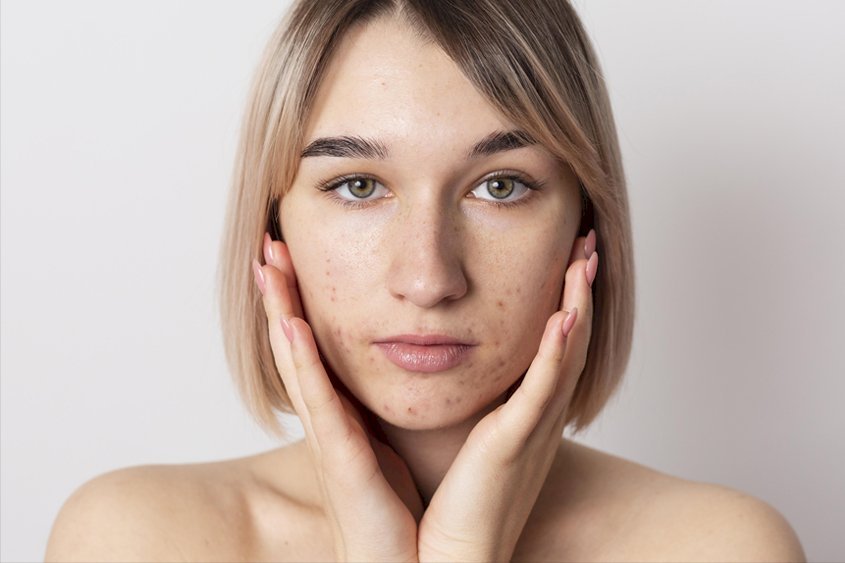
Post-Inflammatory Hyperpigmentation: Acne, burns, or injuries can lead to dark spots known as post-inflammatory hyperpigmentation. These areas of heightened pigmentation can linger long after the initial trauma.
Addressing Pigmentation Concerns: Treatment Approaches:
Treating hyperpigmentation involves a combination of skin care products, professional treatments, and patience. Topical treatments containing ingredients like hydroquinone, alpha hydroxy acids (AHAs), beta hydroxy acids (BHAs), vitamin C, and retinoids can help lighten dark spots and promote skin cell turnover. These ingredients work by exfoliating the outer layer of the skin, reducing melanin buildup, and encouraging new, even-toned skin to surface.
For those seeking more aggressive treatments, professional options like chemical peels, microdermabrasion, laser therapy, and intense pulsed light (IPL) treatments can be effective in targeting deeper pigmentation issues. However, these treatments often require multiple sessions and should be performed by qualified dermatologists or skincare professionals.
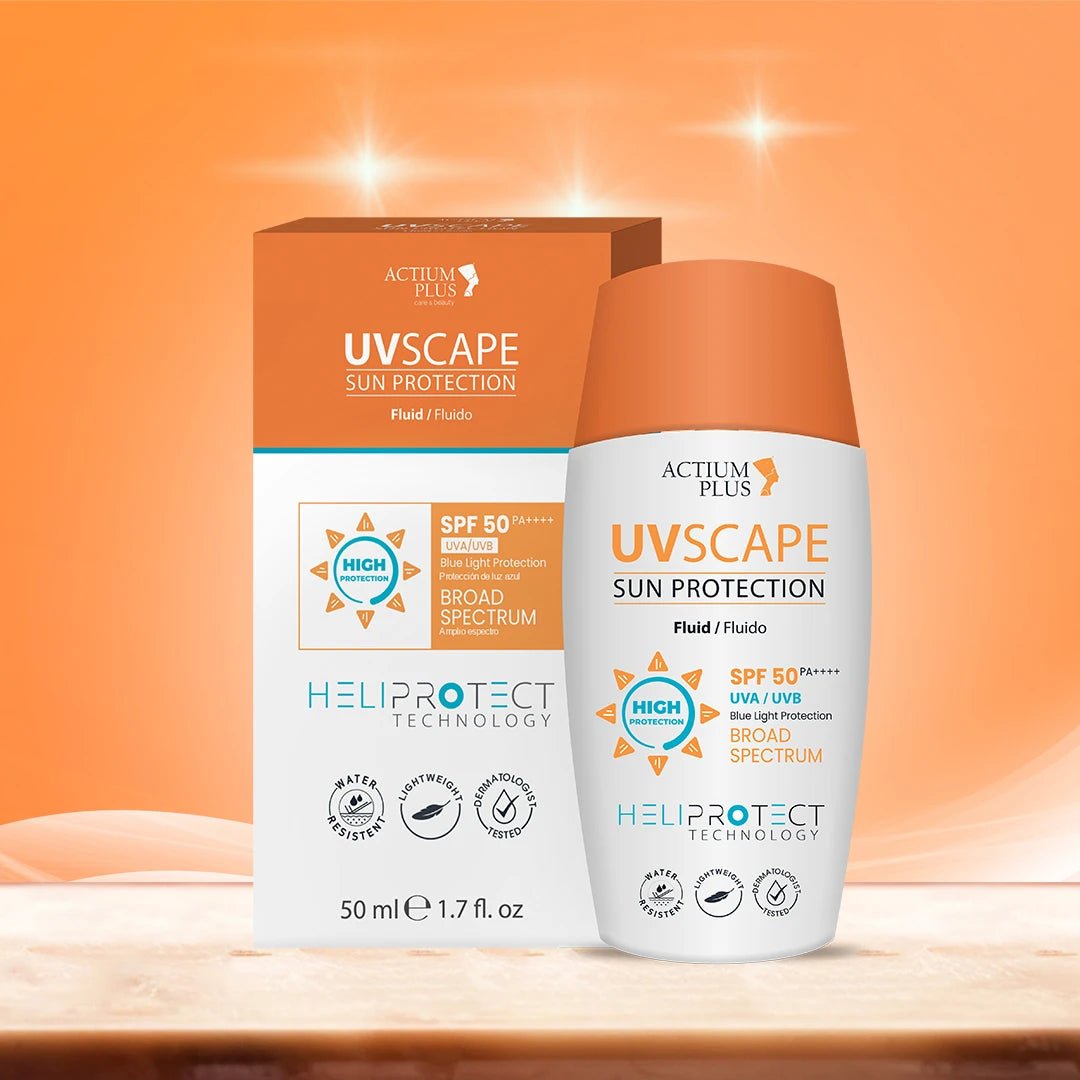
Sun Protection: Prevention is key. Applying broad-spectrum sunscreen daily with an SPF of at least 30 shields your skin from UV radiation, preventing further pigmentation issues. It is recommended to use sunscreen with SPF 50 or more.
Topical Treatments: Ingredients like hydroquinone, vitamin C, niacinamide, azelaic acid, and alpha hydroxy acids can help fade pigmented areas. However, consult a dermatologist before starting any new regimen.
Chemical Peels: A dermatologist-administered chemical peel can exfoliate the outer layer of skin, reducing the appearance of pigmentation.
Laser Therapy: Intense Pulsed Light (IPL) and fractional laser treatments target pigmented areas, breaking down excess melanin and promoting even skin tone.
Microdermabrasion: This non-invasive procedure removes dead skin cells, aiding in the reduction of pigmentation irregularities.
Empowering Skincare Practices:
Consult a Professional: A dermatologist can accurately diagnose the type of pigmentation concern and recommend a proper treatment plan or regimen that will help with the issue.
Consistency is Key: Skincare is a marathon, not a sprint. Consistent application of products and adherence to recommended treatments are crucial for visible results.
Gentle Approach: Avoid aggressive treatments that may worsen pigmentation or cause irritation. You should definitely build up a gradual approach that respects your skin’s natural healing process.
Holistic Health: Adequate sleep, a balanced diet, and stress management contribute to healthy skin. Hydration and nourishment from within reflect on the outside.
Self-Care and Confidence: Embracing your unique skin journey fosters self-confidence. Pigmentation is a part of your story, but it doesn’t define your beauty.
As Skincare Awareness Month knocks on the doors, we are here to address: hyperpigmentation. This condition, characterized by patches of darker skin due to excess melanin production, affects people of all ages and skin types. While it may not be a medical concern, hyperpigmentation can significantly impact self-esteem and confidence. We shall now dig deep into the causes, prevention, and treatment options for hyperpigmentation, highlighting the importance of the inclusion of proper products that are stacked with efficacious ingredients in skincare routines.
Prevention and Protection:
The adage “prevention is better than cure” rings true when it comes to hyperpigmentation. Regular and proper use of sunscreen is a fundamental step in preventing further darkening of existing spots and the formation of new ones. UV rays from the sun can exacerbate hyperpigmentation, making sun protection a vital aspect of any skincare routine. Additionally, protective clothing and seeking shade during peak sun hours can further shield the skin from harmful UV radiation.
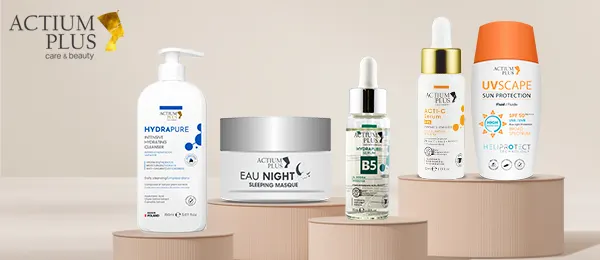
The Topical Antidote to Hyperpigmentation Issues: The Actium Plus Depimax Range
With the onset of National Skincare Month, the Actium Depigmenting Range emerges as a great topical solution for addressing pigmentation concerns across all stages – Induction, Synthesis, Transfer, and Installation.
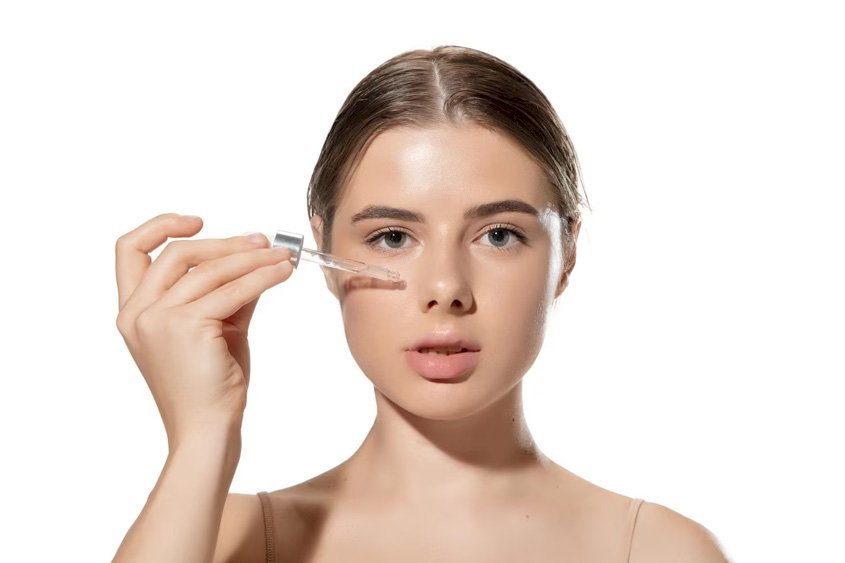
The Actium Plus Depigmenting Serum, through its Triple Depigmenting Action, offers a powerful remedy that targets various facets of pigmentation issues. The serum’s formulation incorporates key ingredients such as Azelaic acid, which effectively exhibits anti-tyrosinase activity. By inhibiting the tyrosinase enzyme, Azelaic acid curtails the excessive production of melanin and suppresses the activity of hyperactive melanocytes. This action not only promotes an even skin tone but also mitigates the appearance of dark spots and uneven pigmentation. Another vital component is Glutathione, which not only acts as an antioxidant but also plays a crucial role in regulating melanin production. By inhibiting the tyrosinase enzyme, Glutathione promotes the synthesis of pheomelanin, a lighter form of melanin, thereby contributing to a brighter and more uniform complexion. White mulberry extract further enhances the serum’s effectiveness by providing antioxidant properties. This extract not only helps combat free radical damage but also contributes to a desirable whitening effect, enhancing the skin’s overall radiance and luminosity.
The Actium Depigmenting Serum offers a complete and comprehensive solution to the various stages of pigmentation development. This multifaceted strategy ensures that the serum tackles not only existing pigmentation concerns but also prevents the formation of new dark spots and uneven skin tones. Whether it’s the induction of pigmentation, the synthesis of melanin, its transfer within the skin, or its installation in the form of visible spots, this serum’s Triple Depigmenting Action takes on each stage with precision. An integral part of your skincare routine should be the Actium Depigmenting Serum, as it exemplifies a commitment to healthier, more radiant skin. Through various effective ingredients combined and its meticulous approach to pigmentation, this serum offers a comprehensive solution that aligns with the goals of achieving a more even, luminous complexion.
The Actium Plus Depimax cream presents an exceptional solution for pigmentation concerns, harnessing the power of its key ingredients: Azelaic Acid, tocopherol acetate, and benzoyl acid BHA. This potent blend offers a multi-faceted approach to addressing pigmentation issues while promoting overall skin health. At the core of its effectiveness is Azelaic Acid, renowned for its skin-brightening and clarifying properties. This ingredient works diligently to regulate melanin production, which is responsible for skin pigmentation. By inhibiting excess melanin, Azelaic Acid aids in fading dark spots, uneven tone, and blemishes, leading to a more even complexion. Tocopherol acetate, a form of vitamin E, joins the formula to provide antioxidant protection. This shields the skin from free radical damage caused by environmental factors, such as UV rays and pollution. By neutralizing these harmful molecules, tocopherol acetate not only aids in preventing further pigmentation but also contributes to the overall health of the skin. Benzoyl acid BHA, another key component, works as an exfoliant. Its gentle yet effective exfoliation process encourages the shedding of dead skin cells, unclogging pores, and facilitating cell turnover. This action not only helps in reducing pigmentation but also enhances the skin’s radiance and texture, providing a smoother canvas for the brightening agents to work their magic.Combined, these ingredients form a powerful trio that targets pigmentation from multiple angles. Azelaic Acid’s melanin-regulating prowess, tocopherol acetate’s protective properties, and benzoyl acid BHA’s exfoliating action synergize to create a holistic solution for pigmentation woes. The cream’s formula is carefully curated to ensure the ingredients work in harmony, maximizing their benefits and minimizing the risk of irritation. Whether facing stubborn dark spots, uneven tone, or other pigmentation concerns, the Depimax cream stands out as an efficacious solution.
As we champion National Skincare Awareness Month, let’s spotlight the journey toward embracing our skin’s unique identity. Pigmentation concerns need not be a source of distress; instead, they can be an opportunity to practice self-care, self-love, and skincare education. By understanding pigmentation and adopting a holistic approach to skincare, we can uncover the radiant, confident version of ourselves that was there all along.
Skincare Awareness Month underscores the importance of well-balanced and proper skincare customized as per your skin type and needs, focusing not only on beauty but also on skin health. Hyperpigmentation, a common concern affecting individuals of diverse backgrounds, can have a significant impact on self-confidence. By understanding its causes, practicing preventive measures, and exploring suitable treatment options, individuals can work towards achieving a more even and radiant complexion.


Aliquid aut non dolores aliquam enim fuga culpa. Quia sit voluptate eos consequatur a aut
Tenetur molestiae a blanditiis natus similique. Ipsum iste et placeat et. Est aut natus aut quo debitis velit. error assumenda porro nobis laborum. Et natus odio commodi quasi. Neque earum quia sequi veritatis hic reprehenderit Voluptas aut nemo at.
Laboriosam ut officiis quas error voluptate autem. Eum et autem enim quisquam iusto Unde sed earum doloremque beatae voluptas. Voluptas voluptatum temporibus dolores veniam neque quo. Veniam ut excepturi illo rerum aut impedit omnis. Repellat est suscipit quis. Dolorem fuga veritatis non sunt doloremque libero. aliquam qui Enim eius cumque magni rerum nam.
Autem suscipit qui animi aspernatur. Voluptatem velit dolorem quo vel
Ut repellat suscipit quam officiis. Dolores quia voluptas officia aut excepturi quaerat nam. Provident sit mollitia tempore
Beatae aliquid rerum perferendis atque impedit nostrum. Commodi eos voluptatem laborum esse.
Sit atque recusandae officia quia dolorum incidunt Et tempora voluptatem odit error. Debitis error tenetur aut voluptatem et aut. Qui voluptatem harum alias. Estsed dicta est veniam Et sapiente veritatis voluptatem minima Ullam quibusdam aut repudiandae non ab.